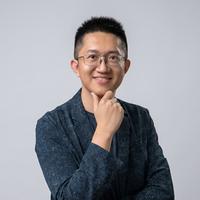
Feng GAO

Feng GAO

Professor

Biography

Dr. Feng Gao is a Professor of Medical AI at the Sixth Affiliated Hospital of Sun Yat-sen University and the data analysis lead for the ICGC-ARGO Colorectal Cancer project. Leveraging his interdisciplinary expertise in computer science and oncology, Dr. Gao’s lab is dedicated to building the critical technical infrastructure for the “AI-Native Future Hospital.” By pioneering “AI Doctor 3.0” through multi-agent systems, multimodal foundation models, and intelligent surgical computing, his team is driving the paradigm shift from passive medical tools to autonomous, collaborative clinical intelligence. Using colorectal cancer as a flagship testing ground, Dr. Gao focuses on architecture-driven AI paradigms—rather than mere parameter scaling—to create full-stack, scalable solutions that fundamentally restructure healthcare supply and delivery.

Research Interests

  • Artificial Intelligence
  • Colorectal Cancer

Education

  • Joint PhD in Cancer Biology and Bioinformatics
    City University of Hong Kong & Cornell University
    2015 - 2018
  • Visiting Student in Computer Science and Electronic Engineering
    Kumamoto University
    2007 - 2008
  • BEng in Computer Science and Technology
    Shandong University
    2005 - 2009

Related Publications

† First or co-first author, * Corresponding or co-corresponding author, bold names are lab members

(2024). Journal Article Integrated immune-related gene signature predicts clinical outcome for patients with Luminal B breast cancer. Gland Surgery.
(2024). Journal Article Single-cell encoded gene silencing for high-throughput combinatorial siRNA screening. Nature Communications.
(2024). Journal Article TMO-Net: an explainable pretrained multi-omics model for multi-task learning in oncology. Genome Biology.
(2024). Journal Article Structure Embedded Nucleus Classification for Histopathology Images. IEEE Transactions on Medical Imaging.
(2024). Conference Paper Cross-Level Contrastive Learning and Consistency Constraint for Semi-Supervised Medical Image Segmentation. IEEE International Symposium on Biomedical Imaging.
(2024). Journal Article Editorial: Clinical risk assessment and intervention of gastrointestinal tumors driven by big-data. Frontiers in Medicine.
(2023). Journal Article Genome-wide study reveals novel roles for formin-2 in axon regeneration as a microtubule dynamics regulator and therapeutic target for nerve repair. Neuron.
(2023). Journal Article A Longitudinal MRI-Based Artificial Intelligence System to Predict Pathological Complete Response After Neoadjuvant Therapy in Rectal Cancer: A Multicenter Validation Study. Diseases of the Colon & Rectum.
(2023). Journal Article A prognostic model for ovarian neoplasms established by an integrated analysis of 1580 transcriptomic profiles. Scientific Reports.
(2023). Conference Paper Multi-scope Analysis Driven Hierarchical Graph Transformer for Whole Slide Image Based Cancer Survival Prediction. Medical Image Computing and Computer Assisted Intervention.
(2023). Journal Article Deep learning-derived spatial organization features on histology images predicts prognosis in colorectal liver metastasis patients after hepatectomy. iScience.
(2023). Journal Article The landscape of objective response rate of anti-PD-1/L1 monotherapy across 31 types of cancer: a system review and novel biomarker investigating. Cancer Immunology, Immunotherapy.
(2023). Conference Paper Immunological profiling of human colorectal cancer defines four distinct molecular subtypes. International Digestive Disease Forum.
(2023). Conference Paper Deep learning-derived spatial organization features on histopathology images to predict prognosis in patients with colorectal liver metastasis, after hepatectomy.. Journal of Clinical Oncology.
(2023). Journal Article MiR-423-5p is a novel endogenous control for the quantification of circulating miRNAs in human esophageal squamous cell carcinoma. Heliyon.
(2023). Journal Article Editorial: Medical knowledge-assisted machine learning technologies in individualized medicine. Frontiers in Molecular Biosciences.